
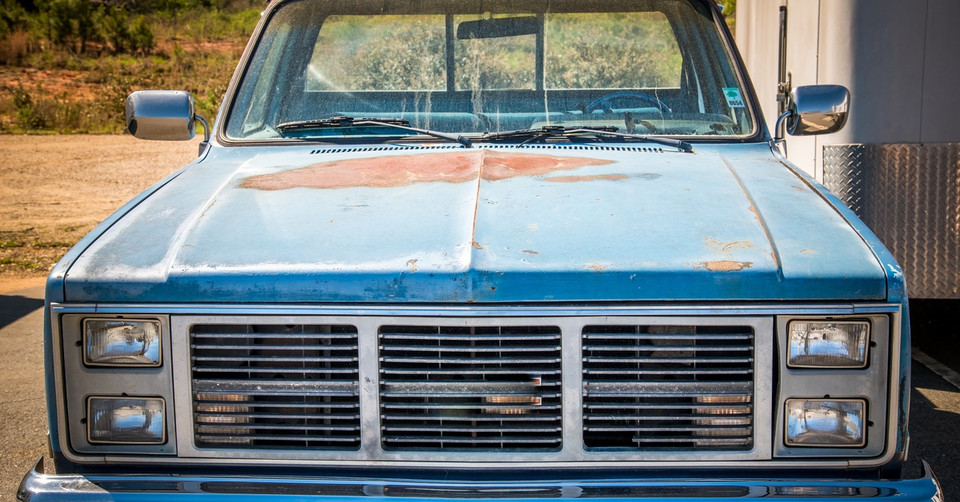
A true vehicle restoration seeks to return it to the exact condition it held when rolling off the assembly line. The project demands patience, technical knowledge, and a commitment to authenticity.
Finding genuine parts is the hardest part of the process because old components have long since ceased production. You face a difficult challenge when sourcing rare Toyota pickup body panels that meet restoration standards, but Northwest Team Yota is here to provide some guidance.
What Does Vehicle Restoration Encompass?
Restoration differs entirely from refurbishment or modification in its end goal. A refurbishment might prioritize making the vehicle drivable or adding modern conveniences, like air conditioning or a lifted suspension. The person refurbishing a truck focuses on utility and personal preference rather than historical accuracy. They might accept a fiberglass fender or a reproduction tailgate that looks close enough to the untrained eye.
A restoration project turns back the clock to erase decades of wear and tear. The process demands the use of original equipment manufacturer (OEM) components. Every bolt, bracket, and body line must match the manufacturer’s specifications.
The Scarcity of Clean Metal
Toyota pickups earned a global reputation for indestructibility. Farmers, construction workers, and off-roading enthusiasts drove these vehicles through mud, salt, and snow. Extreme heavy use resulted in the destruction of beds, tailgates, and rocker panels on a massive scale. Few owners preserved these trucks in garages, meaning the pool of surviving original metal is incredibly small.
The skyrocketing popularity of 80s and 90s Japanese classics adds another layer of difficulty to the search for authentic body panels. Collectors now hoard available parts, driving prices up and availability down. The growing market of investors and restorers is vying for the same finite number of fenders and doors. Finding a rust-free bed for a 1985 solid-axle pickup effectively amounts to finding a needle in a haystack.

Identifying Critical Rust Zones
You must conduct a thorough inspection of your truck to determine which panels to replace. Rust commonly starts in the seams of the bed where moisture traps dirt and salt. The wheel arches hide rot behind chrome trim or plastic flares. Rocker panels rust from the inside out, meaning a small bubble on the paint indicates severe corrosion underneath.
The A-pillars and windshield cowl also demand close scrutiny during the assessment. Leaves and debris accumulate in the cowl vents, blocking drainage and causing water to pool. This leads to rotting around the windshield frame that compromises the structural integrity of the cab. Identifying these issues early prevents you from painting a truck that still has extreme damage.
The Problem With Aftermarket Reproductions
The market offers an abundance of cheap aftermarket body panels produced by third-party manufacturers. These stamped steel sheets typically lack the correct gauge thickness of the original Japanese steel. Using thin metal results in a tinny sound when closing doors and increases susceptibility to future dents. Most restorers avoid these parts because they compromise the authentic feel of the vehicle.
Fitment issues plague reproduction panels, creating headaches for body shops and painters. The body lines on a reproduction fender rarely match the door or hood perfectly. A body technician must then spend hours cutting, welding, and reshaping the new part to make it fit.
Assessing Used Genuine Parts
Sourcing used parts from wrecking yards or private sellers remains the best option for authenticity. You obtain the correct steel thickness and factory-correct body lines that reproduction parts fail to deliver.
However, buying used metal requires a keen eye for hidden damage and previous repairs. A panel that looks straight in photos might conceal thick layers of body filler from a decades-old accident. In this scenario, it’s best to continue your search to find quality OEM panels from a reputable supplier.
Navigating the Logistics of Shipping
Locating a pristine hood or truck bed is only half the battle. You must then arrange for the safe transport of these large, fragile items to your workspace. Standard parcel carriers will not accept items of this size, forcing you to utilize freight shipping services. This adds a high expense to the restoration budget.
Packaging will also affect whether the part arrives intact or destroyed. Freight carriers move pallets with forklifts and stack heavy items on top of one another.
Confirm that the seller understands how to protect the pieces to withstand the conditions of travel. Insurance on the shipment provides financial protection, but it cannot replace a one-of-a-kind part if the carrier damages it.
Strategies for Chemical Stripping
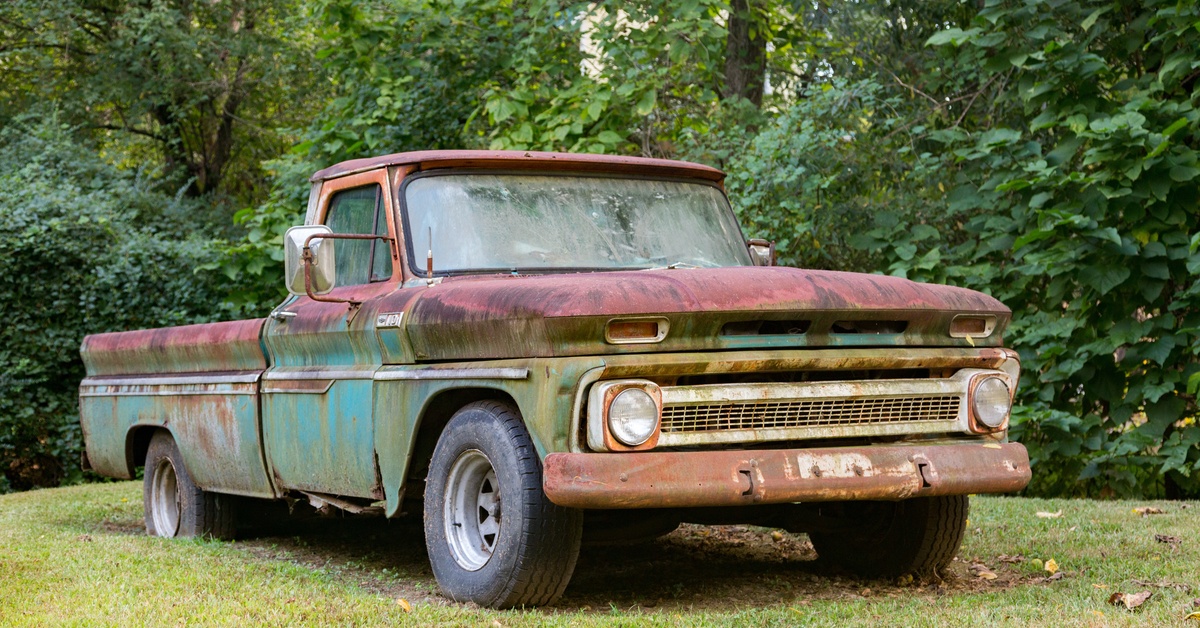
Once you acquire a used genuine panel, you must strip it down to bare metal. Sandblasting works for frames, but it warps large flat panels like hoods and beds due to heat generation. Chemical dipping provides the safest method for removing paint and rust from sheet metal without distorting the shape. This process submerges the entire part in a caustic solution that eats away everything except the steel.
Dipping a panel removes rust from internal cavities that you cannot reach with a grinder or sander. It leaves the metal completely clean and ready for a fresh coat of epoxy primer. This step will stop all corrosion before applying the new finish, so the paint job lasts for decades.
Understanding Part Number Variations
Toyota updated its designs frequently, resulting in subtle changes between model years. A door from a 1986 pickup might look identical to one from 1988, but the internal latch mechanism might differ. Attempting to mix these parts causes frustration when you attempt to reassemble the interior components.
You must verify the part numbers stamped on the components or reference factory service manuals. Buying OEM Toyota pickup parts guarantees compatibility and maintains the vehicle’s provenance. Investing time in research prevents the purchase of expensive parts that physically fit but function incorrectly. Accuracy in this stage saves money and time during final assembly.
Find OEM Parts at NW Team Yota
The pursuit of perfection defines the difference between a nice truck and a concours-quality example. Sourcing rare Toyota pickup body panels tests your resolve, but the result speaks for itself. A restoration built on genuine steel honors the heritage of the vehicle and preserves it for future generations.
When you need high-quality auto components, trust Northwest Team Yota. Our inventory includes parts from original manufacturers like Aisin and Denso, giving you access to the best components available. Browse our catalog to find the parts your restoration demands.