
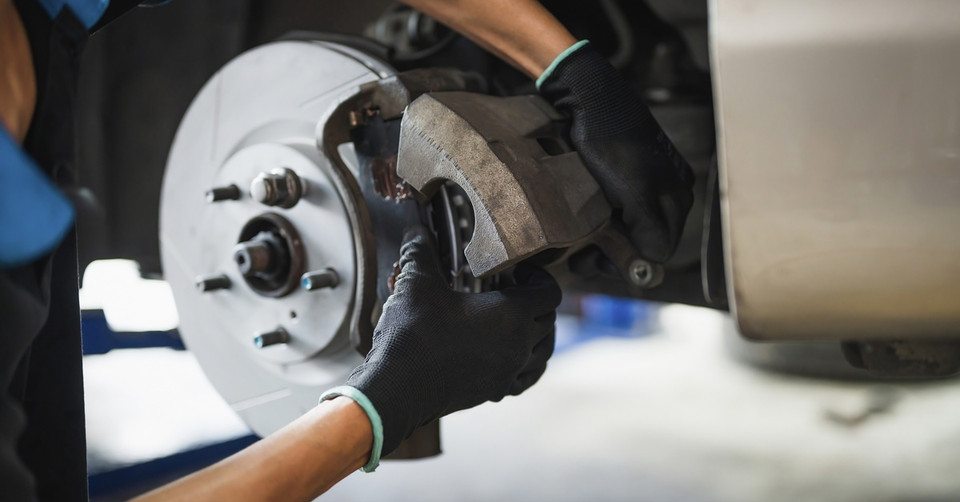
Brake parts shape how a vehicle responds in the moments that matter most. A low-priced alternative may seem like a smart buy at checkout. However, the low price often leads to poor performance.
The true cost of using non-OEM brake parts reaches far beyond the sticker price. From uneven breaking to severe noise production, many things can go wrong.
Drivers who want dependable, long-lasting brakes usually get the best results with original equipment manufacturer (OEM) parts. The components are specially designed to match the make and model’s specifications. When you need predictable stopping power, take a moment to think about why OEM parts are the best choice.
What Non-OEM Really Means
Non-OEM brake parts come from companies outside Toyota’s original production chain. Some may look similar to the factory parts, but similarity doesn’t guarantee the same materials, tolerances, or performance. Two brake pads can share the same shape and still behave very differently once heat, pressure, and daily driving enter the equation.
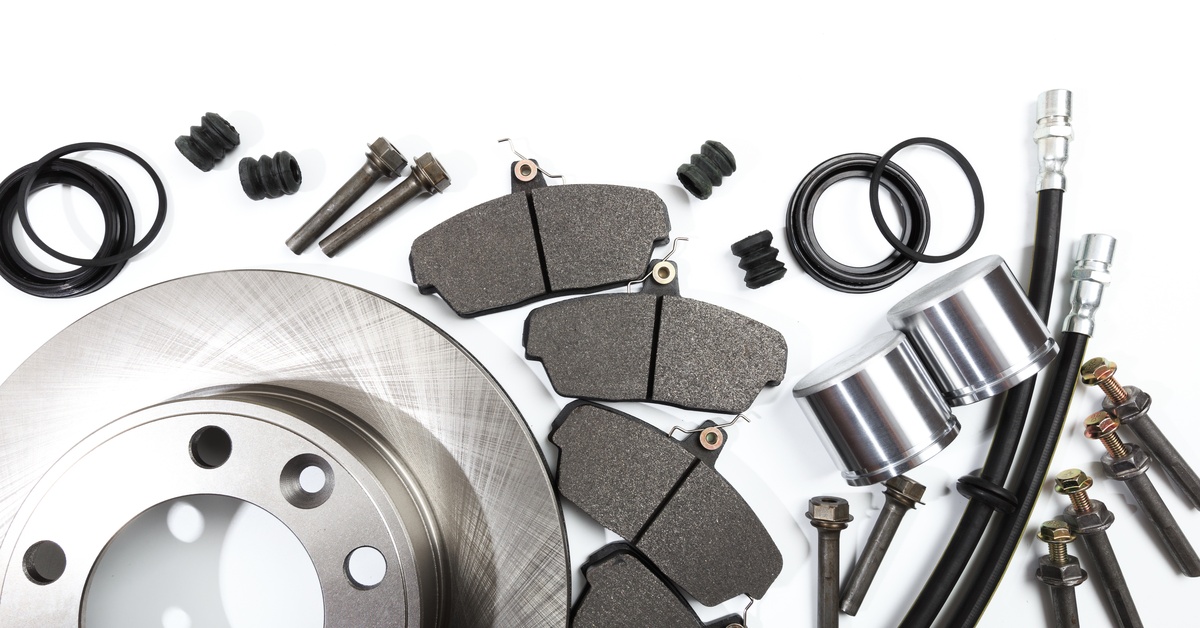
Braking depends on a group of parts working together. Pads, rotors, shims, clips, and hardware all affect sound, friction, heat transfer, and wear patterns. When one part falls short, the whole system suffers. You might save money at first, but the string of small issues becomes a costly repair cycle.
Cheap Parts Get Expensive Fast
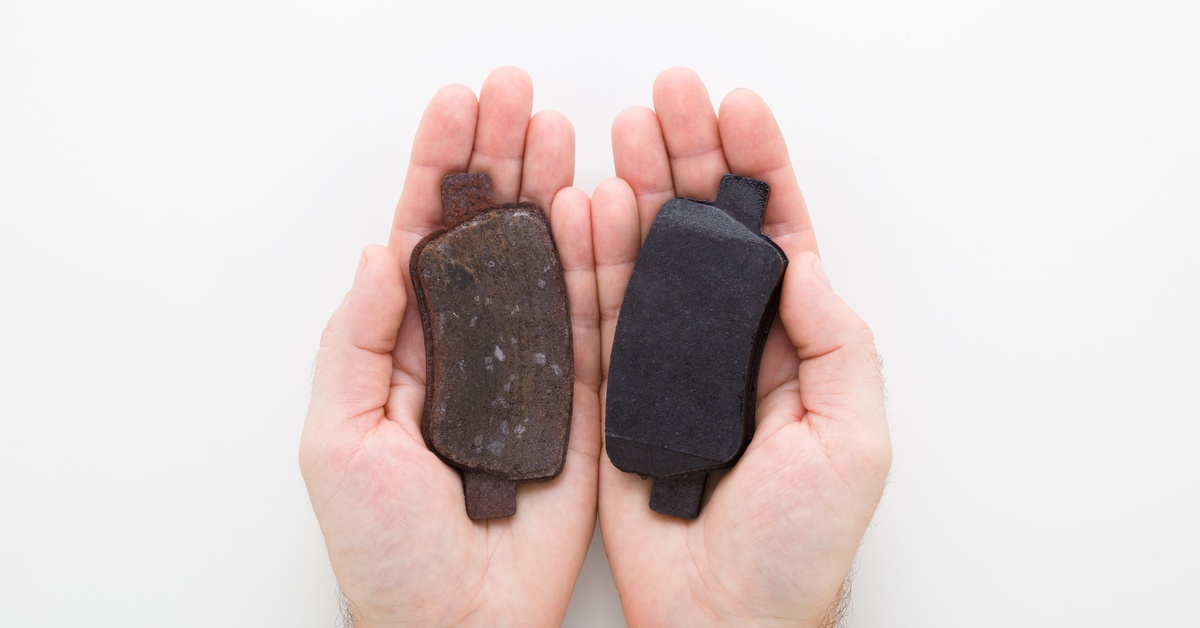
Brake jobs rarely involve just one part. A poor-quality pad can leave uneven deposits on the rotor surface. That may trigger pulsation, noise, or rough contact during stops. Once that starts, the repair no longer centers on pads alone. The owner may need rotors, hardware, and another round of labor to restore proper braking.
The biggest appeal of non-OEM brake parts is the low upfront price. That lower cost looks attractive until the parts wear out sooner or create problems that demand extra labor. Replacing noisy pads once is frustrating. Replacing them twice, resurfacing damaged rotors, and chasing vibration adds a much higher bill.
Fit Issues Create Big Problems
Brake components need precise dimensions to work correctly. A slight variation in pad backing thickness, shim design, or clip shape will alter how the parts sit in the caliper bracket. That may not sound serious, but it affects pad movement, contact pressure, and heat distribution when the brakes engage.
Poor fit shows up in ways drivers notice right away. The brakes squeal at low speeds, the pedal feels unstable, the vehicle pulls slightly during a stop, or the pad drags against the rotor after releasing the pedal. Those symptoms point to friction and movement where the system should run smoothly.
OEM Toyota brake parts reduce those risks because they match the vehicle’s exact braking setup. The precise fit supports proper pad release, even rotor contact, and stable operation in traffic, on hills, and during sudden stops.
Braking Abilities Change Under Excessive Heat
Brakes face intense heat every time the vehicle slows down. In stop-and-go traffic, on long descents, or during repeated hard braking, pad compounds and rotor quality play a major role in how well the system holds up. A lower-grade part may work well enough when cool, then lose consistency once temperatures rise.
That heat-related drop in performance affects driver confidence. The brakes may feel soft, unresponsive, or rough during repeated stops. Some pads become noisy if the truck bed or trunk of the SUV has a considerable load. Others leave rotor surfaces uneven after high-heat cycles. A driver may not notice the issue during a short test drive, but daily use exposes the difference.
OEM brake parts are engineered to support the heat range and braking characteristics Toyota intended in the vehicle. That helps maintain a familiar pedal feel and stable stopping response across a wide range of driving conditions. When a system handles heat correctly, the result is smoother operation and better control.
Wear Patterns Affect Performance
Brake wear should happen in a controlled, predictable way. When pads and rotors wear evenly, the system stays quieter and steady. When materials or dimensions fall outside spec, wear becomes uneven. Uneven wear shortens service life and stresses the surrounding components.
A pad with inconsistent material may wear faster at one edge. A rotor with poor metallurgy may develop hot spots or surface irregularities. Once the parts stop wearing evenly, the vehicle can develop noise, shudder, or reduced braking quality. It’s a frustrating situation because the parts don’t appear to be fully worn, but they no longer perform well.
OEM Toyota brake parts help maintain the wear pattern Toyota designed into the system. That supports a long service interval, clean contact surfaces, and few surprises between inspections.
Noise Is a Warning Sign for Damage
Many drivers treat brake noise as nothing more than an annoyance. While it’s bothersome, the sound points to a mismatch in materials, fit, or hardware.
Squealing, grinding, and chatter can come from low-grade friction material, poor shim design, or hardware that doesn’t secure the pads. Selecting original equipment manufacturer brake parts is a great way to keep the entire system intact.
The pad composition, backing plate design, and hardware work together to manage vibration. The brakes function smoothly and quietly when the parts fit perfectly into the system. As a result, you’ll decrease the number of times you have to address sound and pedal issues.
Why Reliability Is a Priority
Brake performance isn’t a category where good enough is acceptable. Drivers depend on their vehicles’ brakes to stop when there’s rain, traffic, or an emergency situation. A part that saves a little money but introduces doubt into the system is not a strong value. Reliability comes from engineering, material quality, and proven compatibility.
Toyota owners who choose OEM brake parts are investing in known performance rather than guessing. They’re buying components built to match their vehicle’s weight, balance, and brake design. The perfect compatibility supports dependable operation and avoids the setbacks tied to bargain alternatives.
Choose Parts Built for Toyota Vehicles
The true cost of using non-OEM brake parts appears after installation. What starts as a low-price purchase turns into noisy malfunctions, poor braking performance, and unreliable components. OEM Toyota brake parts prevent these issues by delivering the appropriate fit and durability the vehicle needs.
Drivers who want lasting value instead of repeat repairs should source parts with Yota Shop. We offer high-quality OEM Toyota parts online that will match your vehicle’s model and year. Take a look at our collection to find the brake parts that will be a worthwhile investment.