
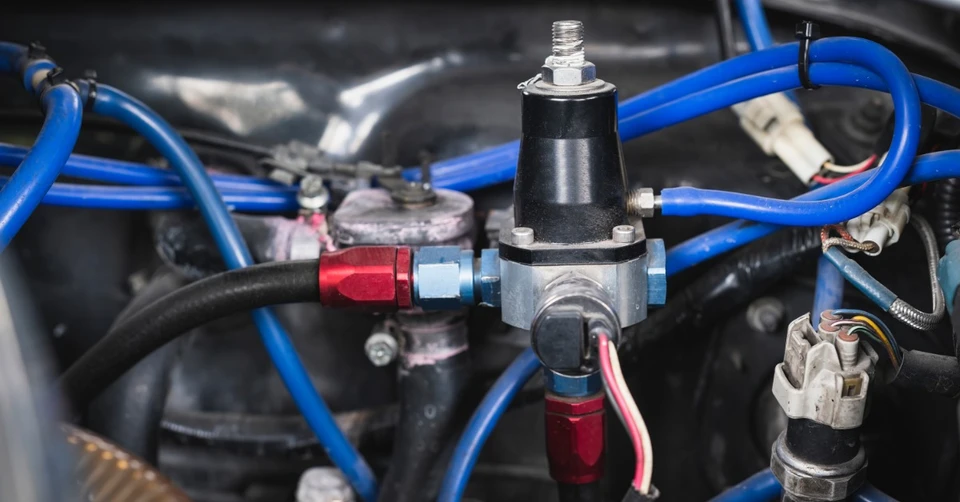
A vehicle that idles roughly at stoplights or stumbles under throttle may have a fuel system problem. Drivers may blame the pump or injectors first, but the fuel regulator could be the real issue.
A fuel regulator holds fuel pressure in the range the engine expects, so the injectors deliver the correct amount of fuel at the appropriate time. When the regulator fails, the engine doesn’t respond promptly. Choosing the right fuel regulator for a Toyota 4Runner starts with understanding how the system controls pressure and how the engine reacts when pressure moves out of range.
The Regulator’s Role
Predictable fuel delivery keeps cars running. On old return-style systems, the fuel regulator commonly sits on the fuel rail and works with the engine vacuum. As manifold vacuum changes, the regulator adjusts pressure to match the demand.
That balance affects nearly every part of daily driving. High pressure causes the engine to flood or burn extra fuel. If pressure drops too low, the truck may hesitate, surge, or struggle to start after sitting.
What Are the Warning Signs of a Failing Regulator?
A weak or failing regulator usually shows itself through drivability problems. These symptoms deserve a close look before buying a regulator:
- Difficulty starting
- Rough idle or unstable idle speed
- Fuel smell near the engine
- Black smoke from the exhaust
- Poor throttle response
- Fuel mixture error codes
- Decreased fuel economy
One symptom by itself doesn’t prove the regulator has failed. A torn vacuum line, clogged filter, weak pump, or leaking injector are possible culprits. Still, when several of these signs appear together, it’s worth inspecting the regulator.
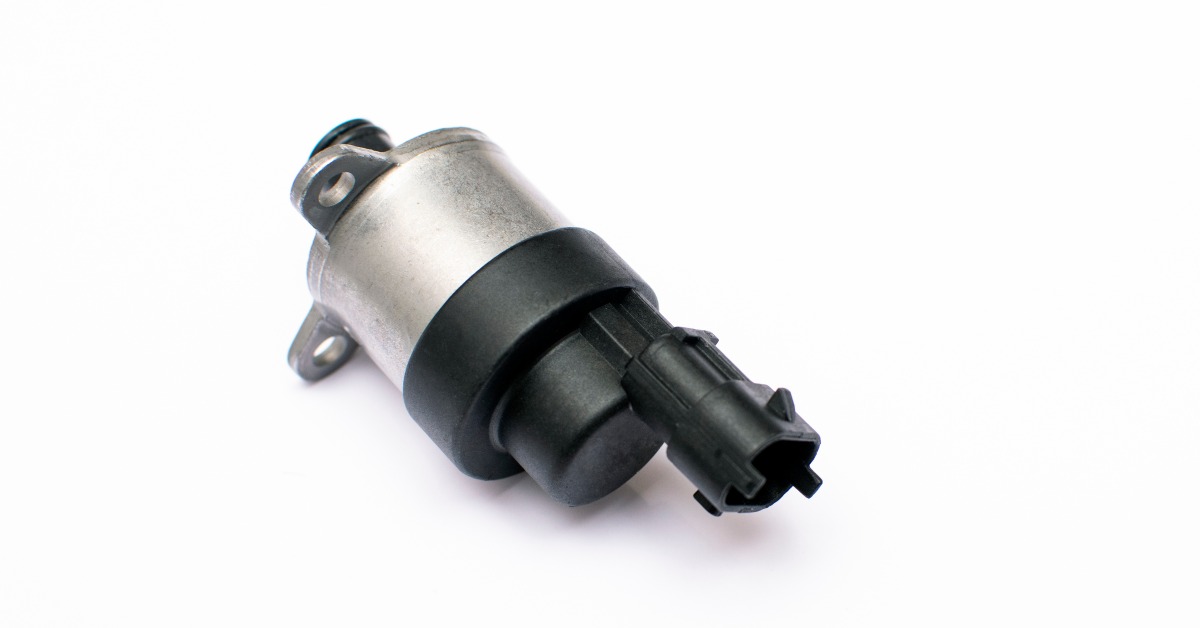
Match the Fuel System
The regulator must match the fuel-system design used on the specific model year and engine.
Return-Style Systems
Many early Toyota models use a return-style setup with a regulator mounted on the rail. In this design, fuel flows up to the rail, the regulator meters pressure, and excess fuel returns to the tank. These systems depend on a regulator built for the engine’s target pressure and vacuum response.
If the vehicle uses this setup, buy a direct-fit regulator for the exact engine code, emissions configuration, and production range. A regulator for a different rail or injector setup may bolt on poorly or deliver the improper pressure curve.
Returnless Systems
Later models moved toward returnless designs. In these systems, pressure control may sit in or near the tank as part of the fuel pump module instead of on the rail. Some owners search for a rail-mounted regulator, then feel confused when one doesn’t appear.
That difference changes the buying process. If the model uses a returnless system, the needed part may be a fuel pump assembly component rather than a separate rail regulator. Before ordering, confirm where the system controls pressure and whether the regulator comes as an individual service part.
Know the Engine’s Specifications
The engine under the hood drives fitment. It’s important that you don’t select this part by trim alone; the same model line spans multiple engines across several generations.
Old trucks with the 3.0L V6 use a different regulator than later models with the 3.4L 5VZ-FE. The 2.7L four-cylinder uses its own fuel-delivery setup. Fourth-generation V6 and V8 models add another layer because some systems package pressure regulation differently than the earlier trucks do.
The safest path starts with establishing the vehicle’s VIN, engine code, model year, and emissions label. Verifying these details will narrow the search, so you don’t end up buying the wrong regulator.
Check the Regulator’s Fitment Details
After confirming the fuel-system type and engine, the next step is the part details. A good fit means the regulator works with the rest of the fuel system instead of forcing a compromise. Look at these points before buying:
- Engine code and model year
- Fuel rail style
- Vacuum port design, if one’s equipped
- O-ring or seal configuration
- Connector or clip style on related hardware
- Whether the regulator comes alone or with related hardware
Small differences matter here. One seal profile may look close but fail under pressure. One vacuum nipple angle may interfere with surrounding components. One emissions variation may change the correct part even within the same engine family.
OEM vs. Universal Parts
Universal parts try to fit the mold for a wide range of vehicle makes and models. However, to ensure that you restore your vehicle’s performance, original equipment manufacturer (OEM) components are the better option.
Spring rate, diaphragm quality, and calibration separate a dependable part from one that sends the vehicle back into the shop weeks later. A fuel regulator must hit the correct pressure target, respond properly to load changes, and seal without trouble. Universal parts introduce too much uncertainty for a vehicle that needs dependable fuel delivery.
OEM Toyota 4Runner parts give owners the best chance at stable fuel pressure and long-term reliability. They match the original engineering instead of forcing the vehicle to adapt to the part.
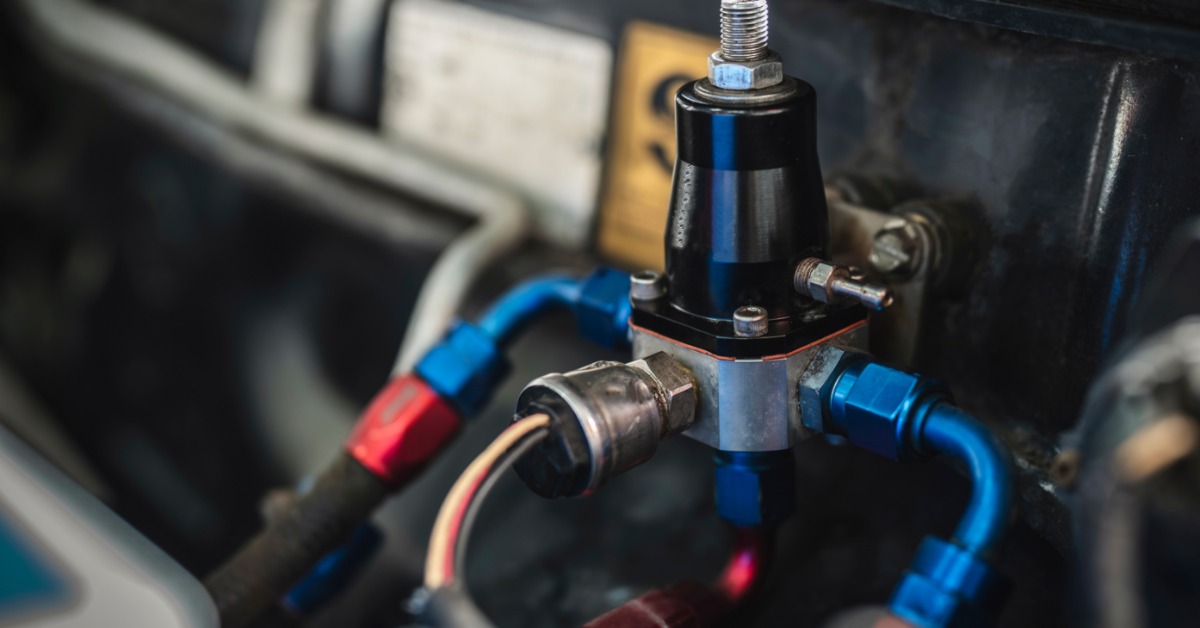
Feel Confident in Your Selection
A smart purchase comes down to three steps. First, confirm the system design. Second, verify exact fitment by VIN, engine, and emissions setup. Third, choose OEM or OE-spec quality from a source that understands older and newer fuel-system differences.
That approach helps avoid repeat repairs. It protects injector performance, improves starting, and restores the steady fuel pressure the engine needs every day. When it’s time to choose the right fuel regulator, the goal isn’t to buy a random replacement. The goal is to restore the pressure control according to the engine’s original design.
Find the Right Part at Yota Shop
Fuel regulator problems will only worsen. They affect startup, idle quality, fuel use, and throttle response, so the right fix needs to match the exact setup instead of relying on a close enough fit.
For a pressure problem on a 4Runner, Yota Shop offers OEM parts that match the vehicle’s actual setup. A quality regulator built for the vehicle’s engine and fuel system is the best way to conduct a repair that gets you back on the road without worry.