
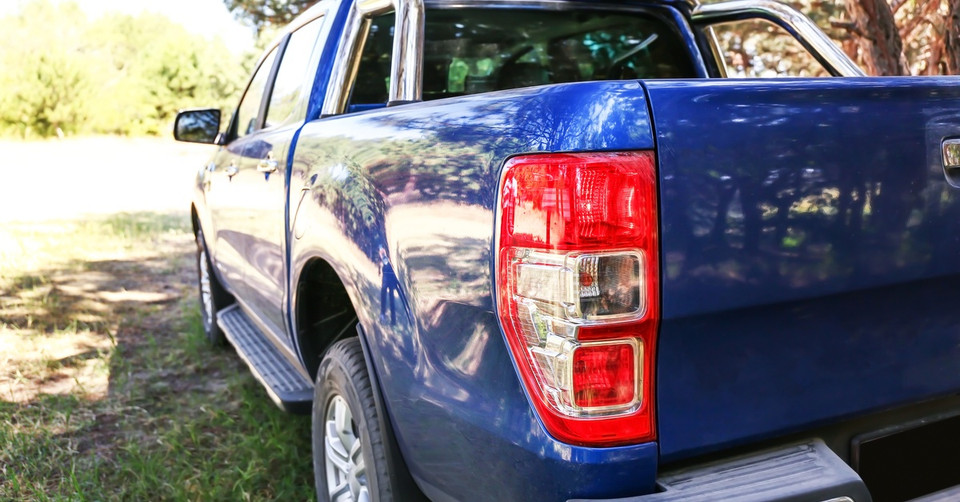
Toyota truck owners run into the same problem every time they shop for replacement parts: The Hilux and Tacoma share multiple design and component similarities. Nevertheless, they weren’t built as identical twins. A part that bolts onto one truck may miss a mounting point or throw off a sensor reading. Knowing which OEM parts are compatible with the Toyota Hilux and Tacoma will simplify ordering repair parts.
Hilux and Tacoma Basics
The Hilux and Tacoma follow different product paths. Frame dimensions, spring rates, steering components, brake hardware, engine management systems, and emissions equipment can differ. Owners get the best results when they treat the Hilux as a separate product line rather than a Tacoma with a different name.
Market Differences Change Fitment
Regional design rules affect many hard parts. A Hilux sold in Australia or Japan may use diesel engines, right-hand-drive steering parts, market-specific lighting, and trim pieces that never appeared on a Tacoma sold in the United States or Canada. Those differences affect fit across body panels, engine components, wiring connectors, and interior controls.
The Generations Don’t Line Up Exactly
The two trucks don’t follow a perfect one-to-one timeline. Toyota changed platforms, engines, and equipment at different points depending on market demand and regulations. Therefore, truck owners cannot assume that a Tacoma from one year lines up neatly with a Hilux from the same year. Generation research is necessary before you start searching for replacement parts.
The Features That Might Overlap
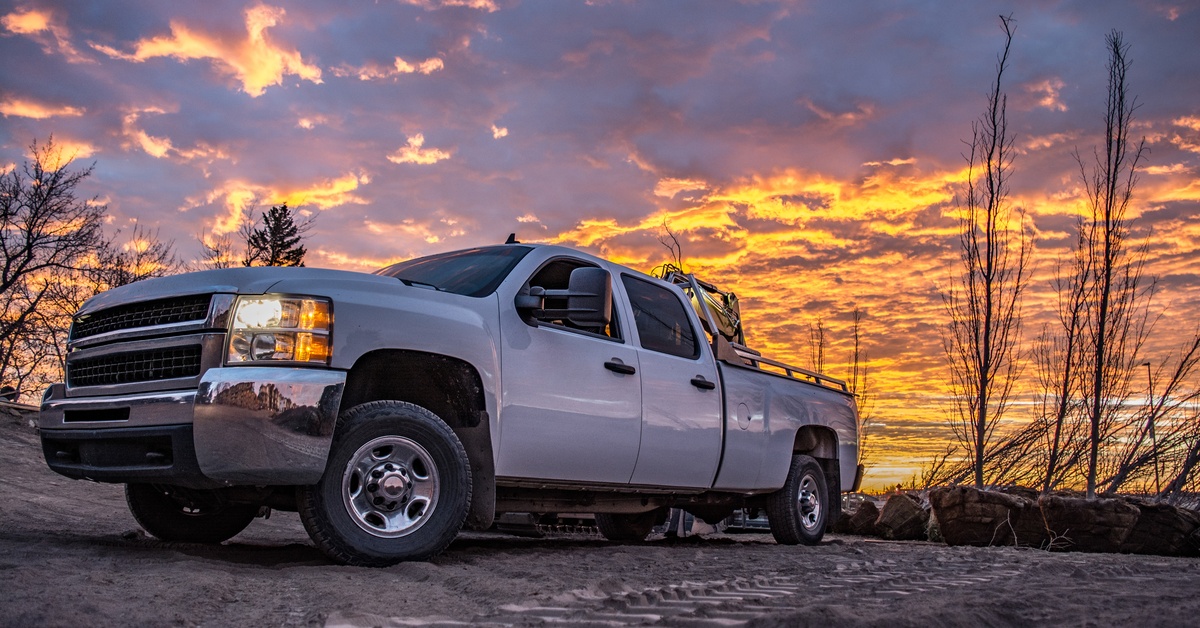
Some OEM parts cross over between Hilux and Tacoma models, but most successful matches happen in narrow categories rather than full-system swaps. Small service items, select engine ancillaries, certain seals, and some hardware have a better chance of sharing dimensions than large structural parts do.
Smaller Parts Have Better Odds
Common wear items such as filters, belts, hoses, gaskets, and fasteners sometimes overlap when both trucks use related engines or shared supplier components.
Toyota has long sourced parts from trusted OEM manufacturers, and those supplier relationships can create overlap in pieces that support the engine or cooling system. Even so, owners still need to confirm engine family and production range before ordering.
Hilux Parts To Check Carefully
Hilux owners need to pay close attention to diesel-specific equipment, export-market details, and chassis variations.
Diesel Systems Need Precision
A major separator between many Hilux models and Tacoma models is diesel power. Hilux trucks commonly feature diesel engines with different fuel delivery parts, glow plug systems, cooling hardware, and emissions equipment. Those systems do not line up with Tacoma gasoline components, even when the trucks share a similar external profile.
Steering and Brake Parts Vary
Steering racks, linkages, brake boosters, calipers, and master cylinders need close review on any Hilux. Right-hand-drive and left-hand-drive layouts change steering geometry and line routing. Payload packages can affect springs and brake sizing. Owners should verify axle code, cab style, and drivetrain before choosing any of those parts.
Suspension Depends on Use
Hilux trucks served work, fleet, and off-road roles across many countries. As a result, spring packs, shocks, control arms, bushings, and ride-height-related parts may vary by region and trim. A suspension part sourced by looks alone can throw off stance, travel, or load support.
Cosmetic Parts Rarely Match Cleanly
Body components create problems fast. Fenders, grilles, headlights, bumpers, and bed parts depend on market-specific sheet metal and trim design. Therefore, visual similarity doesn’t guarantee a perfect fit. A panel may look right from ten feet away and still fail at the brackets, contours, or lamp connections.
Tacoma Parts To Verify First
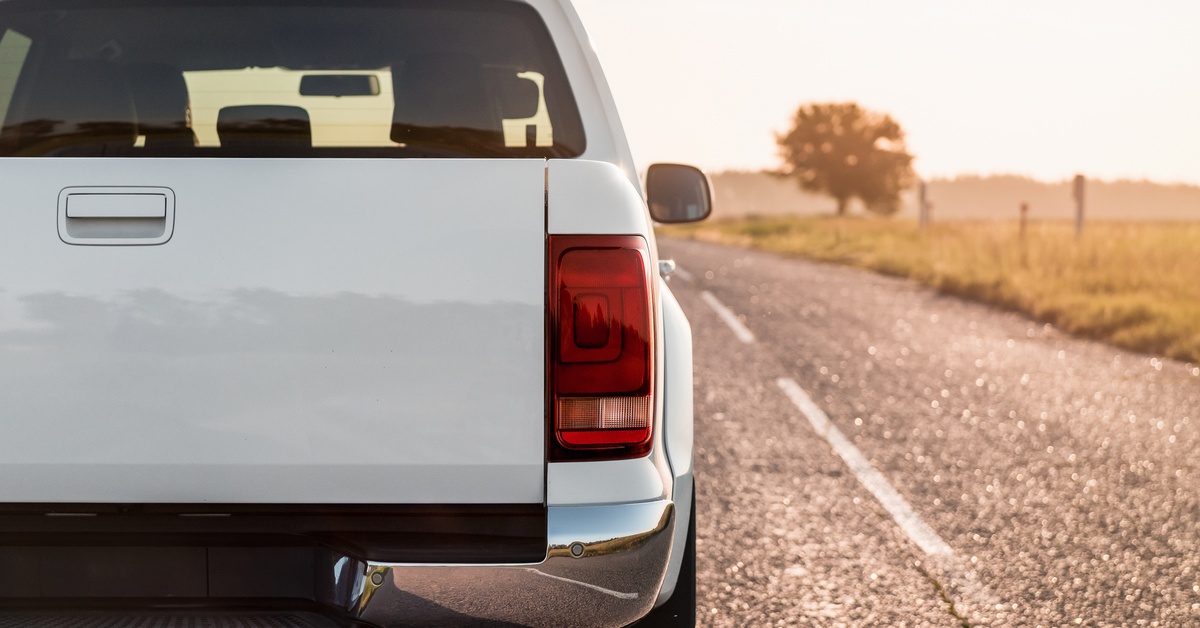
Tacoma owners face a different set of issues. Equipment packages, gasoline engine choices, and generation-specific electronics shape most fitment questions. A Tacoma may share Toyota DNA with a Hilux, but its parts catalog still needs its own lane.
Engine Families Set Limits
Tacoma parts searches should begin with the engine and generation. The 2.4L, 2.7L, 3.4L, 4.0L, and later engine options each bring different accessory layouts, sensors, ignition parts, and cooling system details. Even within Tacoma production, Toyota changed connectors, brackets, and calibration parts over time.
Frames and Beds Stay Specific
Frames, bed assemblies, rear bumpers, and body mounts should remain specific to the Tacoma. The parts you select will depend on the truck’s wheelbase, cab style, and regional crash standards. Owners who try to substitute a Hilux body or bed part usually run into alignment issues before the job gets very far.
Electronics Need Exact Matches
Tacoma electronics deserve extra caution. Items such as ECUs, gauge clusters, switchgear, wiring harness sections, and emissions-related sensors need an exact application match. One wrong connector or software mismatch can trigger drivability issues, warning lights, or a no-start condition.
How To Confirm Fitment
Owners solve most compatibility problems by slowing down before purchase. OEM part selection works best when each truck gets identified by the details Toyota used at the factory.
Use Vehicle-Specific Data
Check the VIN, model code, engine code, transmission type, drivetrain, and production date before comparing part numbers. You’ll have a baseline for which parts will suit your vehicle, so you don’t have to deal with false matches.
Compare Part Numbers Closely
Toyota part numbers tell a detailed story. When two numbers match exactly, fitment confidence rises. When they differ by a suffix, supersession, or market code, owners need to stop and confirm whether Toyota replaced the old part, revised the design, or assigned separate versions for different trucks.
Watch for Previous Modifications
Older trucks are more likely to have adjustments like engine swaps, front-end conversions, suspension lifts, and aftermarket repairs. These changes blur the path of the original parts. Before ordering, inspect the truck in person and confirm what is on it now, including brackets, connectors, housings, and mounting patterns.
How To Find the Right Parts
The goal with vehicle repairs is to protect its functionality. That’s why the differences between the Toyota Hilux and Tacoma models matter when you’re looking for OEM part compatibility.
When you need help sorting out cross-references, replacement parts, or hard-to-find Toyota pickup restoration parts, turn to Yota Shop. We have model-specific original equipment manufacturer support that narrows down the best components for your truck.